Who Do You Look For, Who Looks For You, and What Does Silence Mean
February 19, 2026 - David ClintonA reflection on love, solitude, and chosen commitment, exploring how silence can feel like loneliness or freedom depending on who we seek and who chooses us.
Before you read this, I want to frame it gently: this is a deep-thinking piece, and it captures a single point in time, not a final conclusion. It came from conversations with someone I used to know, a friend who loved sitting with difficult questions and following them all the way down. This is one of those questions.
The Questions That Follow You
If you walked into a room filled with everyone you have ever known, whose face would you look for first?
If you were already inside that room, surrounded by conversations and noise, who would be looking for you?
And when you wake up late to a silent phone, no texts, no calls, no signal from the night before, do you experience that silence as loneliness or as freedom?
These questions do not announce themselves. They surface in ordinary moments. In doorways. In quiet mornings. In rooms where nothing is wrong, yet something feels exposed.
What Silence Reveals First
I notice them most in silence.
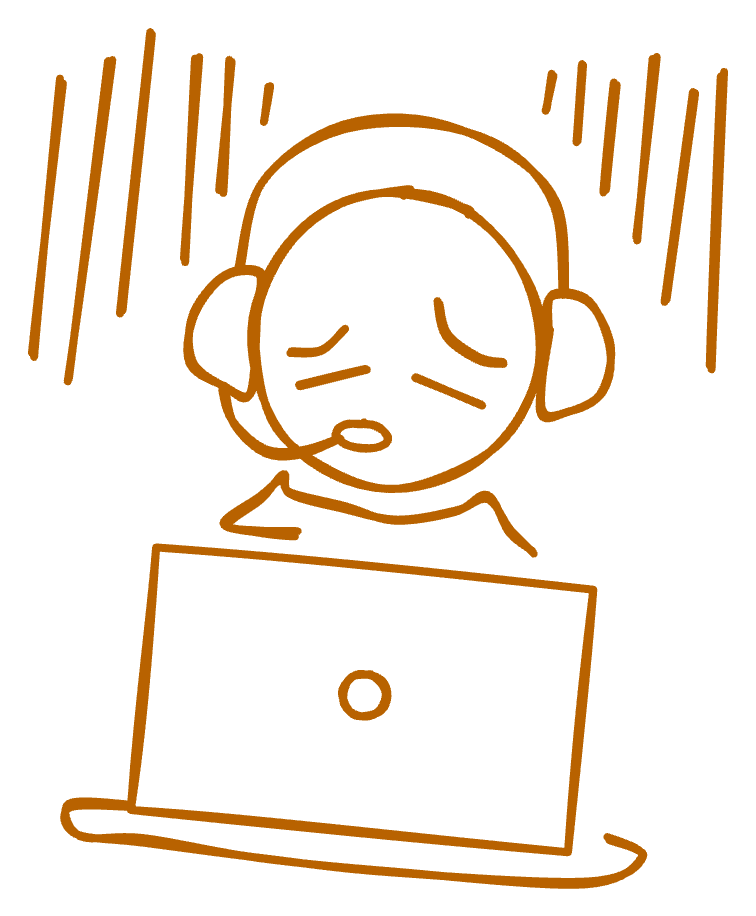
When I am alone, my first feeling is often relief. Silence gives me space to think without narrating myself. It lets me sink into work, open my laptop, and write code until time loses its shape. That has always been natural to me. Silence was never empty. It was structured.
What changed over time was not silence itself, but how often it appeared. Life slowly filled with people, obligations, conversations, and continuity. Not suddenly, not dramatically, but gradually enough that I barely noticed the shift. I was no longer moving through days alone, and yet the relief never fully left. That contradiction forced me to look closer.
When no one is asking for me, I do not feel unmoored. I reach for familiar anchors. I work. I call my parents. I check in with my siblings or friends. Silence does not push me inward, it points me outward, toward things that feel stable.
And still, beneath all of that, there is a quieter recognition. The attention I value most is not being needed or even being understood. It is being chosen. Chosen deliberately. Chosen when no one has to choose you at all.
The First Question Is About Being Chosen
That is what the first question is really about.
When you walk into a room, the face you look for is not random. It is the person who allows you to arrive as yourself. The one who makes the room feel navigable. You are not searching for affection as much as orientation.
The Weight of Being Looked For
The second question complicates things further.
If someone looks for you first, it is rarely about love in the dramatic sense. It is about stability. It means your presence organizes something for them. It means you have become a reference point, whether you intended to or not. That realization carries weight, because it introduces responsibility without asking permission.
Freedom Changes Shape
Freedom looks different once you see that.
I used to think freedom was about absence. Fewer ties. Fewer expectations. Fewer places where your presence mattered. But I am not sure that version ever really fit me. Freedom, as I have lived it, has felt more like alignment. Doing work I chose. Keeping people I chose. Moving in directions that felt internally consistent.
There were periods where I was lighter, less committed, more scattered. I gained flexibility. I also lost coherence. Nothing was wrong, but nothing was anchored either. That kind of freedom protects you from certain risks, while quietly preventing others.
Where Control Quietly Creeps In
This is where control enters the picture.
Control feels comforting until you notice what it costs. When uncertainty shows up, I do not try to control people or situations. I try to control myself. I manage my reactions. I filter my words. I hold tension in my body. Over time, that effort leaks into other parts of life. Focus slips. Work slows. Appetite changes. The system reacts even when the mind stays quiet.
Some truths remain unsaid, not because they are unclear, but because they would rearrange things. Silence becomes a temporary shelter. Useful, but not permanent.
Returning to the Last Question
Which brings me back to the last question.
Waking up to nothing on your phone does not carry a fixed meaning. Silence becomes loneliness when you were waiting to be chosen. Silence becomes freedom when you already chose yourself the night before.
The Difference Between Loneliness and Freedom
The distinction is subtle, but it explains a lot.
I do not think love and freedom are opposites. I think they compete only when they are misunderstood. You lose a certain kind of freedom when you commit, the freedom of detachment, of easy exits, of minimal consequence. In exchange, you gain a different freedom, the freedom to build continuity, to be known over time, to let your choices accumulate meaning.
There are lines I will not cross. I will not surrender my direction. I will not give up my family. I will not abandon work that feels chosen. Commitment does not require erasure.
I also do not believe you can recognize healthy love, or healthy freedom, in advance. You understand them by watching who you become while living inside them.
No Final Answers, Just Better Attention
I am still living with these questions. They have not resolved into answers, and I am no longer in a hurry for them to do so. I move one day at a time, choosing deliberately, accepting uncertainty as part of the cost.
The questions remain, not as problems to solve, but as markers. They tell me where I am paying attention. They tell me who I am becoming when no one is watching.
And sometimes, they tell me whether the silence I wake up to is something I need to escape, or something I need to protect.
If you want to keep reading on this site: